The idea for Paradigm Pro Wrestling started with conversations over cigarettes in the parking lot of shows for the infamous IWA-MS.
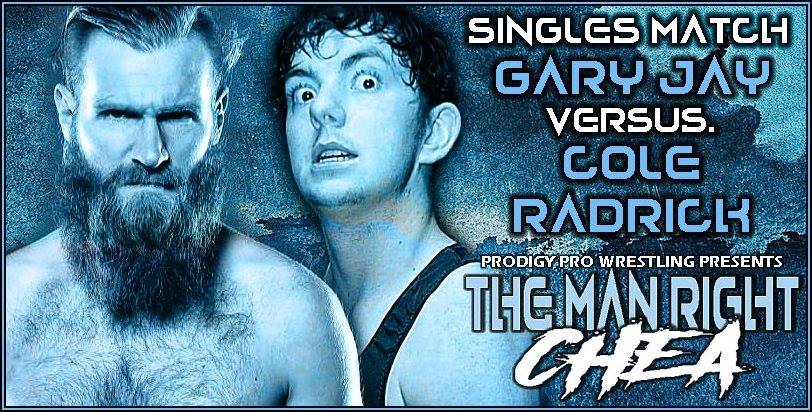
We started running shows in 2017. We loved independent wrestling, but we wanted to make something that felt like ours. That meant tournaments, hardcore wrestling, big super indie cards, and eventually a rule set all other American promotions had left alone.
Sometimes we told wrestlers to do the exact opposite of what other promoters had told them. We wanted to see what they could do with the freedom. Paradigm was a vibe. It was the island of misfit toys.
Sometimes we put on the indie equivalent of WrestleKingdom. Sometimes we missed entirely. But you always knew you were at a Paradigm show. Our ambition was always bigger than our budget, and we kept trying anyway.
Heavy Hitters was the birth of our tournaments, and eventually became our premiere event of the year. With an ever-shifting (and complicated) set of stipulations, we ran six tournaments across Indiana and Ohio that featured sheer chaos.
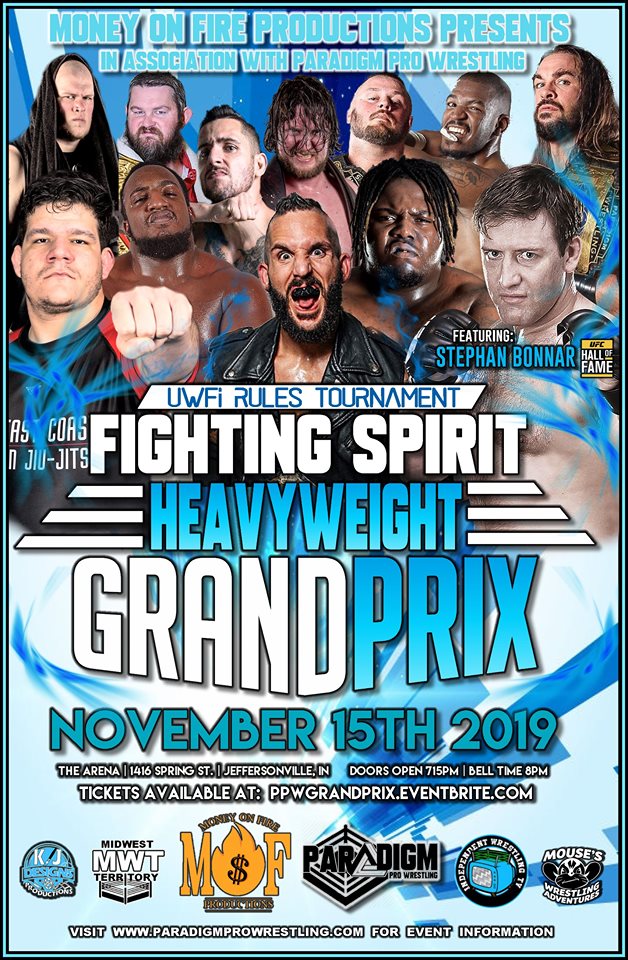
Not content to have just one annual tournament event, the Fighting Spirit Heavyweight Grand Prix was the birth of our UWFi Rules matches. When we held that first Grand Prix in 2019, we became the first promotion in North America to use the UWFi rule set and point system in 25 years.
What we thought might be a one-show experiment became one of the things that defined us. By the time we stopped at 149 shows, we had run more matches under the original UWFi Rules than the UWFi itself. That’s not hyperbole, it’s a verifiable fact.
When the pandemic shut wrestling down, we found a way to keep going. Heavy Hitters 2 was one of our first shows back, run safely in full accordance with Indiana’s COVID regulations, and our international streaming debut.
For a brief window, when almost nobody else was producing new wrestling, we became by default one of the largest active independent promotions in the country. Talent came to us from all over.
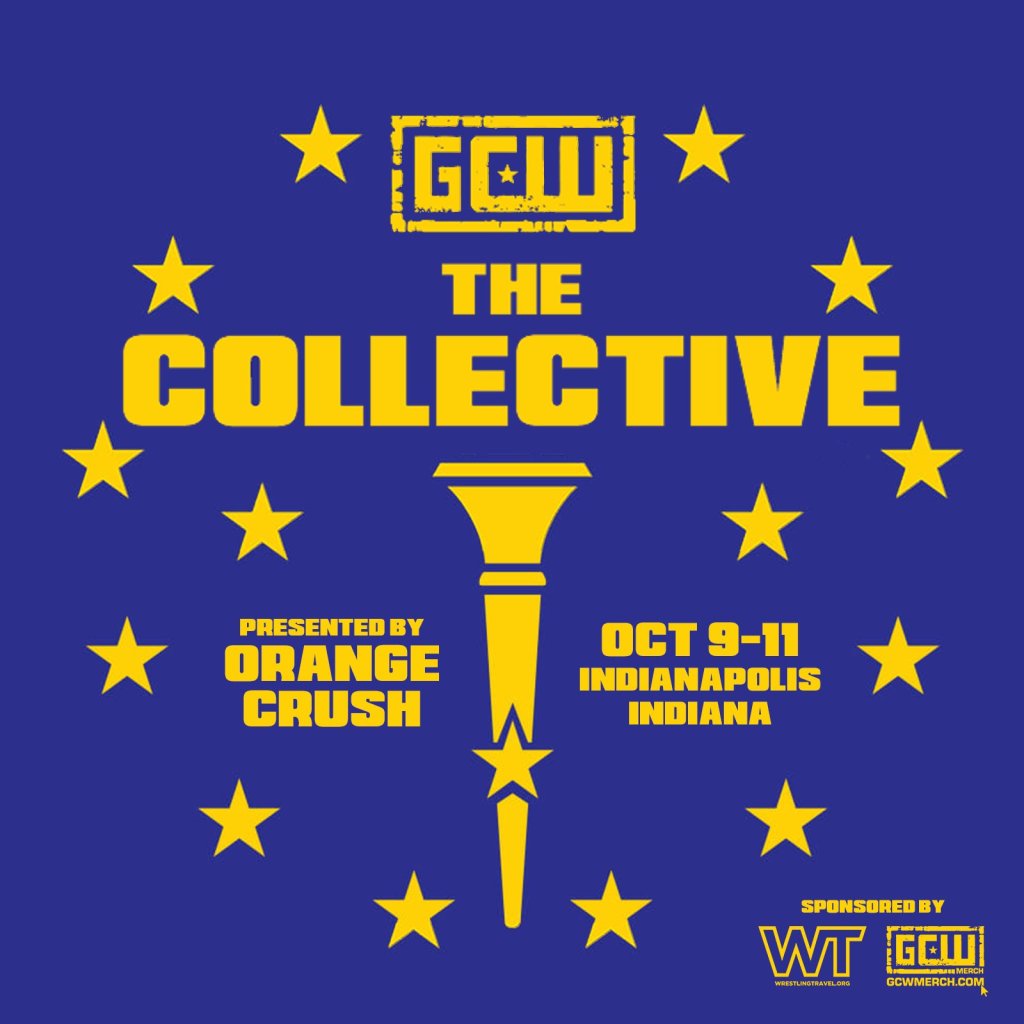
We closed the pandemic edition of The Collective with a midnight show in Indianapolis. Then COVID resurged. Crowdfunding, along with the audience those shows had helped us build, gave us the means to produce empty-arena wrestling.
The UWFi Rules Contenders Series and No Hook ran alongside each other. Contenders let us explore how far UWFi Rules could go. No Hook gave us room for characters and stories that might not have fit anywhere else.
Both required marathon tapings and very long nights. We used those opportunities to back minority and queer athletes and to give talented people the freedom to show us what they could do. Look back through the cards and you’ll find people who went on to some of wrestling’s biggest stages.
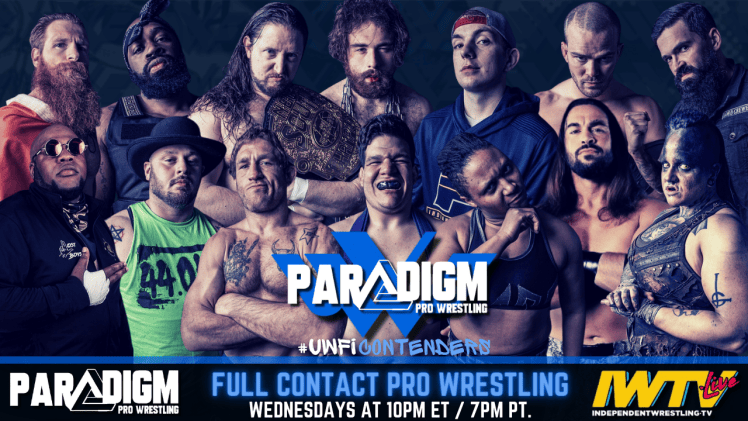
Some wrestlers, like Swerve Strickland and Daniel Garcia came through for a night or a tournament. Others helped carry the promotion from one chapter to the next. We were proud to give all of them a ring where they could try something different.
UWFi Rules also gave us a way to bring MMA and wrestling into the same room. UFC Hall of Famer Stephan Bonnar helped put us on the map and had his most memorable independent wrestling matches with us. “Filthy” Tom Lawlor became one of the defining figures in Paradigm history and will enter our Hall of Fame at our next show. Former Bellator and EliteXC fighter Matt Makowski won the Heavy Hitters Championship in his first Paradigm match. UFC Triple Crown Champion Dan “The Beast” Severn participated, as did original UWFi wrestler Billy Scott. Some of our best nights came from watching those worlds meet in a small Indiana arena.
Billie Starkz was part of our shows and No Hook before becoming a champion in Ring of Honor. AEW Star Myron Reed wrestled 40 matches for us, held the Paradigm Championship and was part of this place across different eras. Lee Moriarty tested his style in Paradigm’s UWFi Rules matches before becoming ROH Pure Champion. Alex Kane came through Contenders before winning the MLW World Heavyweight Championship. Ace Austin was part of our early years.
Our hardcore wrestlers carried just as much of Paradigm’s identity. Matthew Justice, AJ Gray, The Hoodfoot, Reed Bentley, John Wayne Murdoch, Ron Mathis, and Bobby Beverly helped make room for street fights and deathmatches on cards that also featured shoot-style wrestling and super indie dream matches. We ran hardcore extravaganzas while still giving the rivalries the space to grow past a single wild stipulation. Hardcore wrestling was part of the story we were telling.
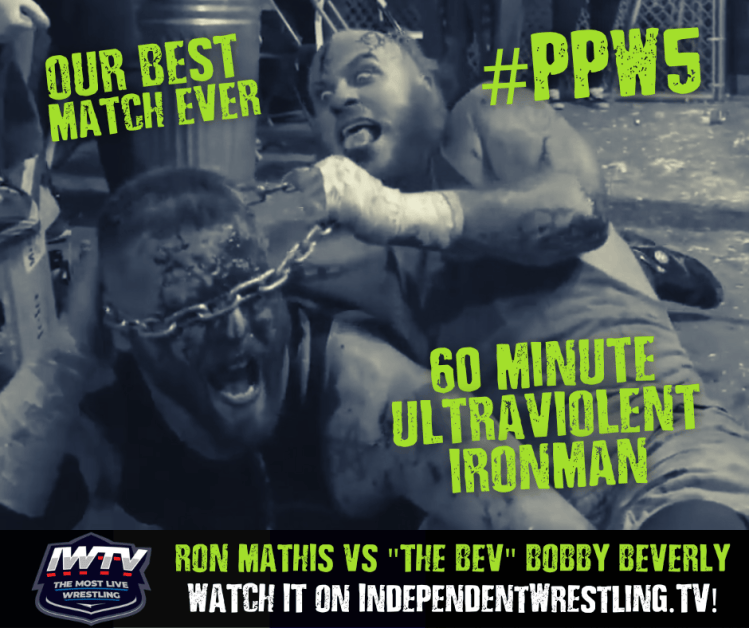
No rivalry made that clearer than Mathis and Beverly. Their fight followed us across years and state lines before reaching 5VES in New Jersey, where they wrestled a 60-minute Ultraviolent Ironman match for the World Brass Knuckles Championship. It was one of a handful of matches of its kind in North America and the most expensive match we ever produced. We believed they had earned that stage, even if giving it to them meant spending money we did not really have.
After the pandemic, we took Paradigm on the road. We returned to Indianapolis for midnight shows, one of which trended nationally on Twitter. Then we sold out a show in Ohio, and we kept coming back to both places. Our little promotion made it both the east and west coasts with shows in Washington state and New Jersey. Our ambition kept outrunning our budget and our resources, but the promotion survived on hard work, stubbornness, and spite. We punched far above our weight.
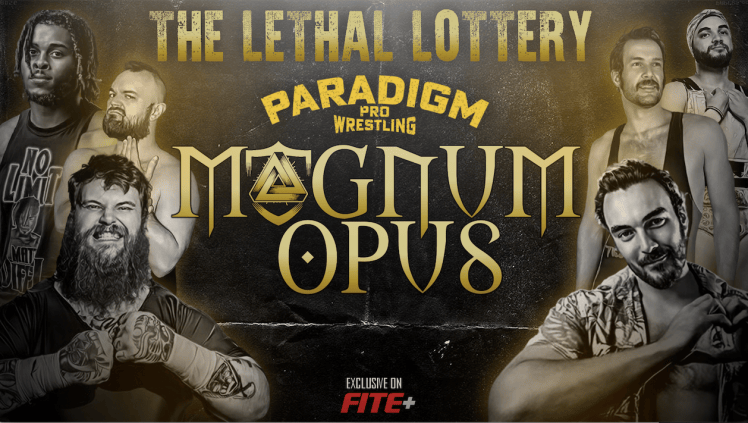
Magnum Opus came later. After years of tournaments, experiments, and episodic shows, it gave us a weekly home for the whole strange range of Paradigm.
Rivalries could develop from week to week. Wrestlers who had made this place their own could share the screen with people finding their way into it. It was another enormous production commitment for a promotion that had never learned to make its plans smaller.
Over seven years and 149 shows, we built a video catalog far larger than most independent promotions ever get to make. We released shows in Spanish, were written about in Pro Wrestling Illustrated, and found fans around the world. People who had never been anywhere near Jeffersonville knew what Paradigm was. For a promotion working with what we had, that still means a lot to us.
Legally speaking, Paradigm was a business. In practice, it was a labor of love. We invested every dollar we made back into the product. Frequently, we put in far more.
Today, the ownership group is Gary J. Wilson, Esq., executive director and matchmaker; James Duncan, who leads production; and Cam Adams, who handles talent relations. Former owners Brian Vinson, Robert Starks-Bellamy, Doug Votaw, and Logan Bridget were part of building what Paradigm became. So were the wrestlers, crew, and fans who kept saying yes to ideas that sounded unreasonable until we made them happen.
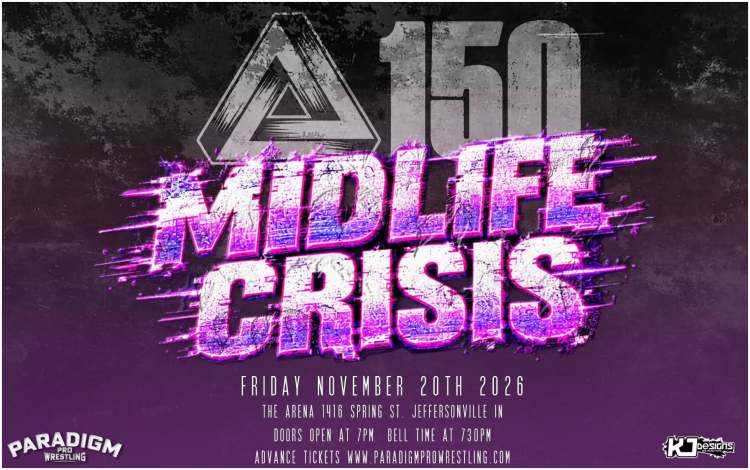
We stopped at 149 shows in 2024. It wasn’t planned, and for a while we didn’t know whether there would be a 150th.
On Friday, November 20, 2026, MIDLIFE CRISIS brings us back to the Jeffersonville Arena.
Is it a reunion, a restart, or a farewell? We’ll find out together.
Use code FOREVER to save $10 per ticket.

